Dutch Canal House: A 3D Printable Model for Workflows and Creativity
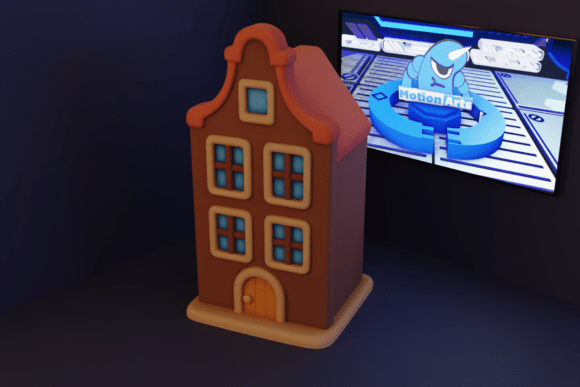
The Dutch Canal House is not just a decorative miniature; it is a versatile digital asset designed for integration into various creative and professional workflows. This AI-generated STL file represents a stylized, minimalist interpretation of Amsterdam's iconic architecture, offering a clean-lined template ready for physical realization. Its value lies not solely in the final printed object, but in how it fits into a broader process of planning, execution, and project completion for designers, hobbyists, educators, and collectors.
Understanding the Model's Role in a Project Pipeline
Before any filament is loaded or resin poured, the Dutch Canal House exists as a digital plan. This stage is crucial. Acquiring this STL file is the initial step in a process that bridges digital design with tangible output. It serves as a predefined architectural component, saving the significant time and skill required to model such a structure from scratch. For professionals working on urban dioramas, architectural presentations, or themed retail displays, it acts as a reliable, high-quality asset that can be incorporated directly into larger projects.
This integration point is key. The model interacts with other tools and decisions: the choice of 3D printer (FDM or resin), the selection of filament or resin type, slicer software settings for supports and layer height, and post-processing methods. Its beginner-friendly designation means it requires less preparatory calibration and troubleshooting, allowing the user to focus more on the broader project goals—such as completing a diorama for a client, creating educational models for a classroom, or stocking inventory for a small business selling architectural miniatures.
For Creative and Professional Dioramas
When building a detailed urban scene, consistency and quality control are paramount. The Dutch Canal House provides a standardized, architecturally charming element. Its solid structure and balanced design ensure multiple prints are uniform, a vital factor for creating cohesive city blocks or canal-side scenes. After printing, the model becomes a physical asset ready for painting, weathering, or integration with other printed or handmade elements. This shifts the workflow from creation to finishing, streamlining the path to a final, presentable diorama.
In Educational and Architectural Contexts
For educators and architectural enthusiasts, the model serves as a tactile learning tool. The process here involves preparation for demonstration. Printing the Dutch Canal House creates a clear, minimalist example of classic Dutch facade design, useful for discussing architectural history, urban planning, or 3D printing technology itself. Its modern, stylized touch makes the historical reference accessible. This object can then be used repeatedly in lectures or workshops, representing a long-term resource integrated into an educational curriculum or personal study collection.
As a Decor and Small Business Product
Entrepreneurs and home decorators approach the model from a production and aesthetics workflow. The “easy printing” and “refined finish” specifications are critical for efficiency and outcome. A small business owner might batch-print several Dutch Canal House models, applying consistent post-processing techniques to ensure each piece meets a quality standard before sale. For personal decor, the process involves selecting materials (like a wood-like filament for a rustic look) and planning placement within a room’s design scheme, turning a digital download into a curated physical object.
Workflow Integration Tips and Considerations
To smoothly integrate this model into your work, consider the following practical observations. First, acknowledge the noted requirement for print supports. Factor this into your slicer software preparation; enabling automatic supports or designing custom ones is a necessary step before the printing execution phase. This preparation prevents print failures and ensures the elegant lines of the canal house are preserved.
Second, think about material compatibility. While compatible with both FDM and resin printers, your choice will affect the final texture, detail, and required post-processing workflow. FDM prints might require more sanding for a refined finish, whereas resin prints offer detail but need careful washing and curing. Align this choice with your end-use: resin for a collector’s miniature demanding sharp detail, FDM for a robust decor piece.
Third, consider organization within your digital asset library. Labeling and storing the STL file alongside any customized slicer profiles for this specific model creates an efficient system. When you need to print another Dutch Canal House for a new project or to replace stock, your entire process—from file retrieval to printer settings—is streamlined, saving time and maintaining consistency across prints.
Long-Term Value and Process Enhancement
The long-term use of the Dutch Canal House model extends beyond a single print. Its design as a classic, minimalist piece means it won't feel dated, allowing it to serve as a reusable component in future projects. For a freelance creator, it becomes a part of a trusted asset kit, ready to be deployed whenever a client request involves Dutch architecture or European city scenes. This reduces project lead times and enhances workflow reliability.
Furthermore, the model encourages a process-oriented approach to 3D printing. By working with a well-designed, beginner-level template, users can refine their broader printing workflow—calibrating machines, testing materials, mastering post-processing—on a predictable and aesthetically pleasing object. This hands-on implementation builds skills that then transfer to more complex, self-modeled projects, making the Dutch Canal House a practical step in a larger creative or technical development journey.
Ultimately, downloading and printing this model is an act of process integration. It brings a piece of digital Amsterdam into your physical workflow, serving as a bridge between idea and object, between planning and display. Whether your goal is decoration, education, collection, or commerce, the Dutch Canal House 3D printable model is designed to fit into that plan, execute cleanly, and deliver a refined result that highlights the enduring beauty of Dutch architecture with a modern, practical touch.