The Low Poly Monster Model: Evaluating a Stylish 3D Printing Option
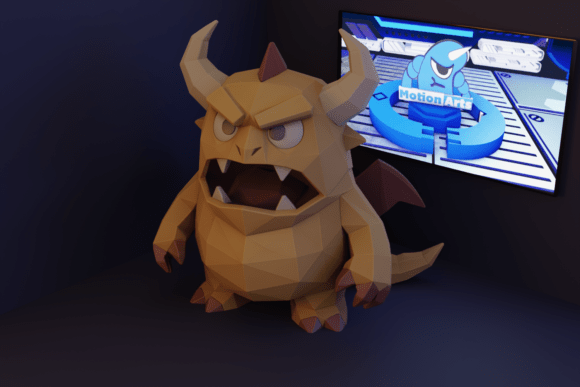
In the expansive world of 3D printable models, the aesthetic style of a design often becomes a primary selection criterion alongside technical feasibility. The Low Poly Monster, typically provided as an STL file, represents a distinct category within this space: a character model defined by geometric, angular forms and a minimalist visual approach. Its charm is rooted in the low-polygon art style, which intentionally uses a reduced number of polygons to create a simplified, faceted appearance. This style contrasts sharply with highly detailed, organic models that aim for realism, offering a different set of benefits and considerations for the end user.
What Makes a Low Poly Design Distinct?
Understanding the core characteristics of the Low Poly Monster clarifies its position in the market. The design is built from large, flat polygonal faces—triangles and quadrilaterals—that form a charismatic creature with pronounced personality through its shape rather than texture or intricate detail. This minimalist look is not a limitation but a deliberate artistic choice, reminiscent of early 3D video game graphics or contemporary polygonal art trends. The solid structure and expansive, unbroken surfaces are direct outcomes of this design philosophy.
From a practical standpoint, these geometric traits translate into tangible printing advantages. The large surfaces often make for cleaner and more stable prints, as there are fewer tiny, complex features that can fail during the printing process. The model typically requires support structures, a common note for many 3D prints with overhangs, but the relatively simple angles can sometimes simplify support placement and removal compared to more convoluted organic models. The "beginner" difficulty level attached to many Low Poly Monster files speaks to this forgiving nature, making it a feasible early project for those new to 3D printing.
Evaluating Use Cases and Best-Fit Applications
The utility of a 3D model extends beyond its successful print; it's about the final application. The Low Poly Monster serves several specific use cases well. It functions effectively as a decorative piece or desktop mascot, where its stylized, modern form adds a creative touch to a workspace or shelf. Its geometric nature also makes it a strong candidate for inclusion in stylized dioramas or tabletop game settings that favor a cohesive, minimalist aesthetic. For collectors interested in modern, art-focused collectibles rather than realistic figurines, this model category holds particular appeal.
However, evaluating fit requires considering alternatives. If the desired end-use demands high realism—for example, a biologically accurate creature model for a display—a low poly design would be an unsuitable choice. Similarly, for projects requiring functional parts or complex articulation, the simplistic, solid structure of the Low Poly Monster does not provide the necessary mechanics. Its strengths lie squarely in the realms of stylized decoration, artistic expression, and as an accessible printing project. It's also worth noting that while the print process may be more straightforward, the post-processing and finishing—such as sanding seams or painting flat facets—can differ from techniques used on smooth, organic models.
Tradeoffs in Style, Detail, and Printing Resources
Choosing any 3D model involves balancing priorities. The Low Poly Monster offers a clear tradeoff: you gain printing stability and a distinctive modern aesthetic, but you sacrifice fine detail and organic realism. This tradeoff is central to the decision. Models with high polygon counts can produce stunningly lifelike results, but they often demand more from the printer, the slicer settings, and the operator. They may be prone to issues with small, delicate features and require more meticulous post-processing.
The low-poly style, by contrast, is inherently resource-efficient. The file sizes are often smaller, slicing is quicker, and the actual print time can be reduced due to the lack of dense detail layers. The material usage might also be less variable or wasteful. For users with entry-level printers or those prioritizing reliable, successful prints over extreme detail, these are significant practical benefits. Yet, the style is a specific look; it won't satisfy every project's thematic needs. The decision factor here is aesthetic alignment versus technical ease.
When the Low Poly Monster Is the Right Alternative
This model category is a strong candidate in several realistic scenarios. For an individual setting up a new home office and wanting a unique, personalizable desk ornament that prints reliably, the Low Poly Monster fits perfectly. For an educator introducing students to 3D printing, its beginner-friendly designation and striking geometric result make it an excellent pedagogical tool. For artists or designers creating a cohesive low-poly themed environment or game, it is an obvious and consistent component.
Conversely, situations calling for another option are equally clear. When the project brief specifies "realistic monster figurine," other model types will be necessary. If the goal is to print a model with moving parts or intended for functional stress testing, the solid, static structure of the typical Low Poly Monster is not designed for that purpose. Furthermore, if a collector's interest is solely in historically accurate or fan-art replicas of specific copyrighted characters, this generic, stylized monster may not meet that niche demand. The choice ultimately hinges on matching the model's inherent qualities—its minimalist charm, geometric form, and printing robustness—to the end-user's specific requirements for aesthetics, function, and printability.
Key Decision Factors for the Prospective User
Making an informed selection between a Low Poly Monster and other available 3D models involves weighing a few concrete factors.
- Aesthetic Goal: Is the desired outcome a modern, art-piece collectible, or a realistic replica?
- Printing Skill & Equipment: Does the beginner-friendly, stable print profile align with your printer capability and experience level?
- Project Scope: Is the model a standalone decorative object, or must it integrate into a larger, detailed scene with a different style?
- Resource Efficiency: Are you prioritizing a successful, timely print with less material risk over achieving maximum detail?
- Post-Processing Preference: Are you prepared for and interested in the painting and finishing techniques that suit flat, faceted surfaces?
By considering these points, users can better navigate the vast ecosystem of 3D printable files. The Low Poly Monster occupies a valuable and specific niche, offering a blend of personality, style, and practical printability that makes it a compelling option for a well-defined set of applications, while clearly not being a universal solution for all 3D printing projects.